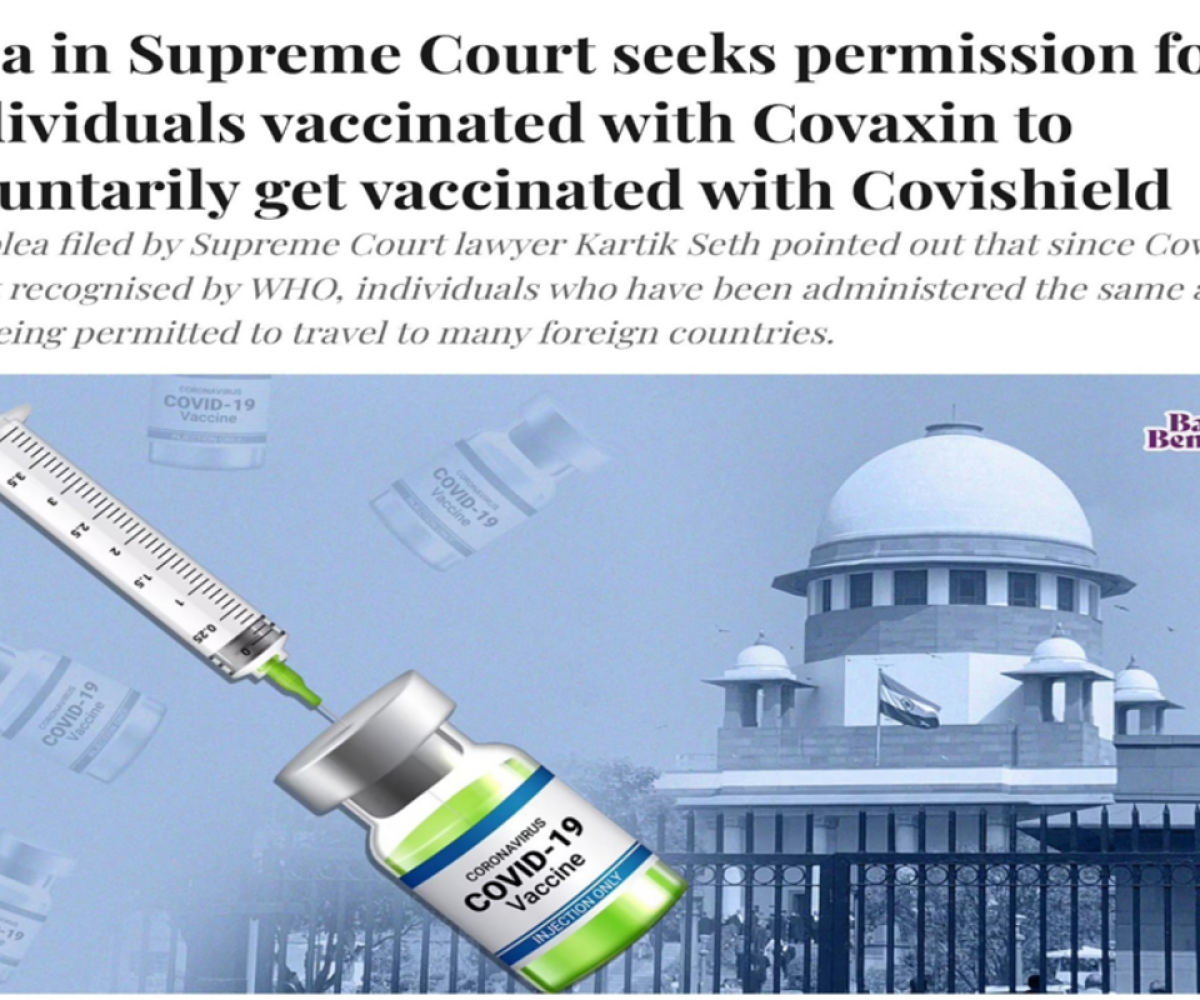
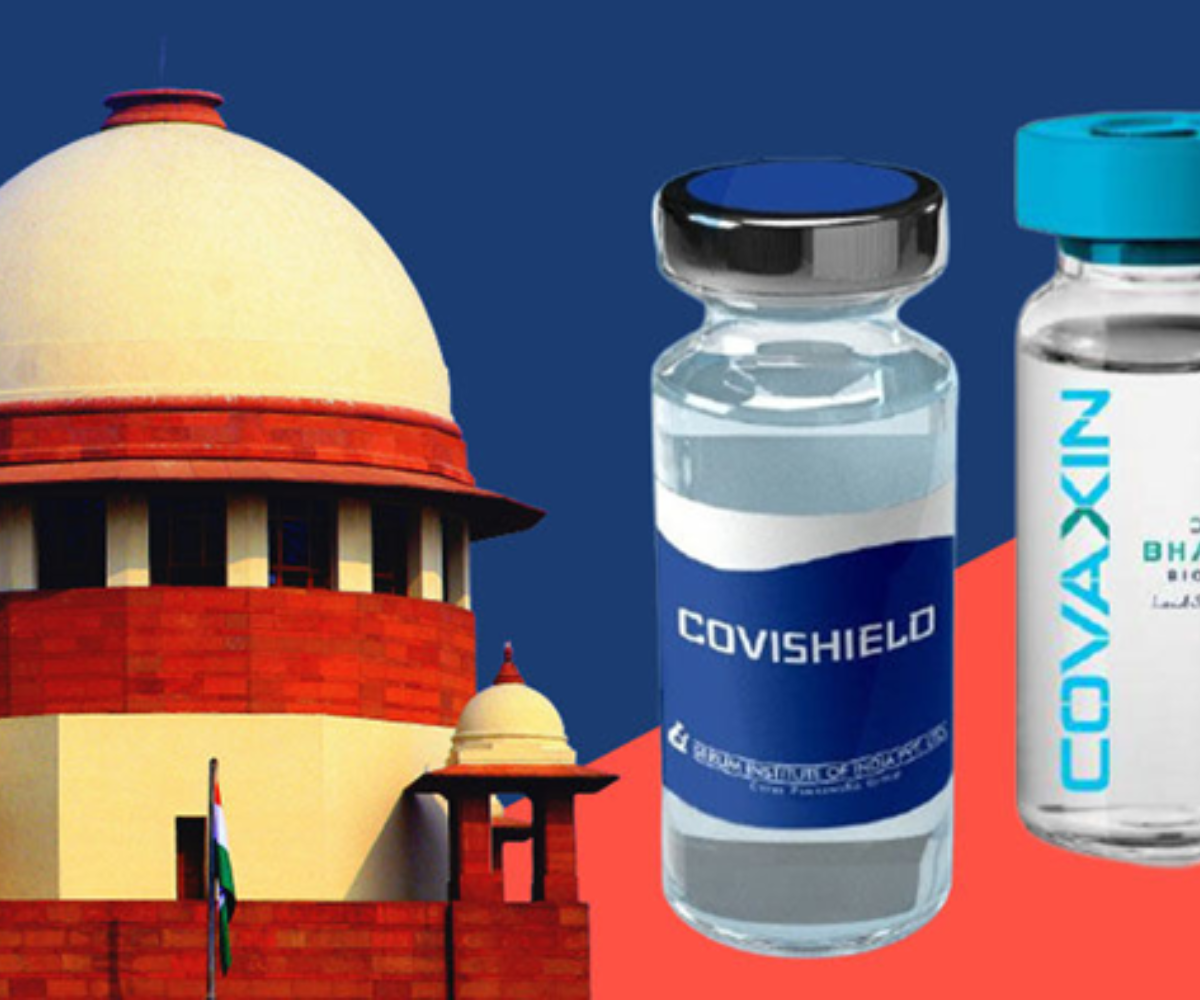
A recent petition filed before the Supreme Court of India has brought renewed attention to the complexities surrounding COVID-19 vaccination policies and global mobility. The plea, submitted by advocate Kartik Seth, highlights a pressing concern faced by many Indian citizens who received Covaxin during the country’s mass vaccination drive.
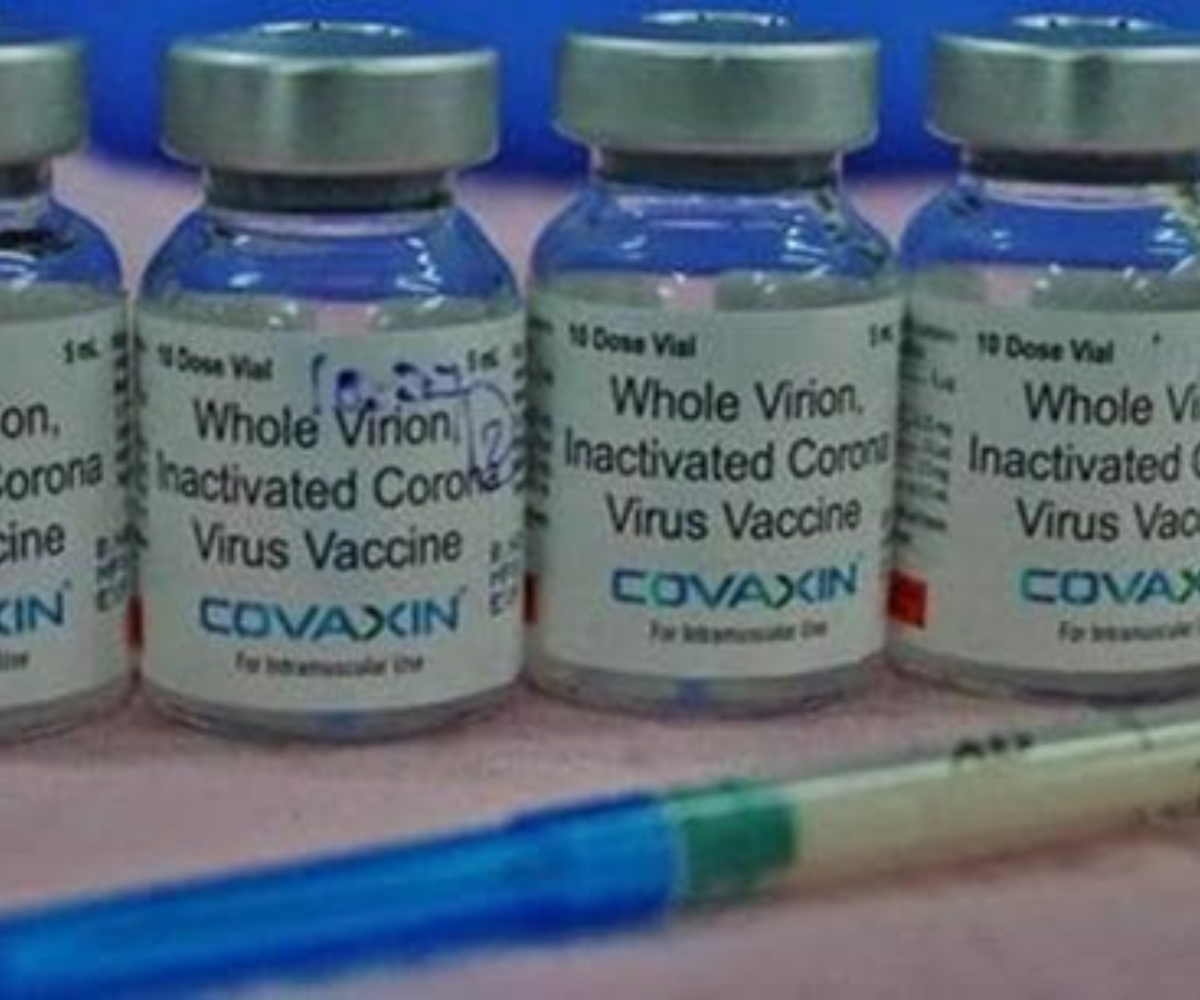
At the core of the petition is a request for regulatory flexibility: individuals who have already been vaccinated with Covaxin should be allowed to voluntarily receive Covishield as an additional or alternative dose. The petitioner argues that this option is necessary due to the limited international acceptance of Covaxin at various points during the pandemic.
The Issue of Global Recognition
One of the primary concerns raised in the plea is the recognition of vaccines by the World Health Organization and individual countries. While Covaxin was widely administered within India, its approval and recognition on global platforms came later compared to Covishield, which benefited from earlier emergency use listings and broader international acceptance.
As a result, many individuals vaccinated with Covaxin reportedly faced restrictions when attempting to travel abroad. Several countries imposed entry requirements that favored vaccines recognized by the WHO or their domestic regulatory bodies. This created a disparity, where fully vaccinated individuals in India were treated as unvaccinated or partially vaccinated in certain international contexts.
The petition underscores that such discrepancies have real-world consequences—affecting education, employment, and family reunification opportunities for Indian citizens.
Legal and Ethical Dimensions
The plea raises important legal and ethical questions regarding individual rights and public health policy. It argues that citizens should have the autonomy to choose an additional vaccine if it enhances their ability to travel or access opportunities abroad.
From a legal standpoint, the petitioner contends that denying such an option could be seen as arbitrary, especially when mixed-dose vaccination strategies have been explored and, in some cases, approved in other countries. The plea calls for a balanced approach that respects both scientific guidelines and individual freedoms.
Ethically, the issue touches upon fairness and equity. Those who received Covaxin did so based on government recommendations and availability at the time. The petitioner argues that these individuals should not be disadvantaged later due to factors beyond their control.
Scientific Considerations and Safety Concerns
A critical aspect of the debate revolves around the safety and efficacy of mixing vaccines—commonly referred to as heterologous vaccination. During the pandemic, several studies globally examined the effects of combining different COVID-19 vaccines, with some findings suggesting that mixed regimens could produce robust immune responses.
However, the implementation of such strategies requires careful evaluation by health authorities. The Indian government, along with bodies like the Indian Council of Medical Research (ICMR), has historically exercised caution in approving mixed vaccination protocols without sufficient data.
The plea acknowledges these concerns but argues that individuals should be allowed to opt for Covishield voluntarily, particularly if supported by emerging scientific evidence and international practices.
Government’s Likely Position
While the court has yet to deliver a final ruling, the government’s response will likely emphasize the importance of scientific validation and regulatory oversight. Authorities may argue that vaccination policies must be guided by rigorous data to ensure public safety.
At the same time, the government has previously adapted its COVID-19 strategies in response to evolving circumstances, including approving booster doses and expanding vaccine eligibility. This suggests that there may be room for policy adjustments if justified by evidence and public need.
Impact on Citizens
For many individuals, especially students and professionals seeking opportunities abroad, the issue is more than a policy debate—it directly affects their future plans. Reports have indicated that some Covaxin recipients faced challenges in securing visas, enrolling in foreign universities, or meeting workplace vaccination requirements.
Allowing voluntary re-vaccination with Covishield could potentially resolve these issues, offering a practical solution to those caught in regulatory gaps. However, it also raises questions about resource allocation and whether such measures could strain vaccine supplies.
Broader Implications
The case highlights the broader challenges of managing a global health crisis in an interconnected world. Differences in vaccine recognition, regulatory approvals, and public health strategies can create unintended barriers, even for those who have complied with their country’s guidelines.
It also underscores the importance of international coordination in addressing pandemics. Harmonizing vaccine approvals and travel requirements could help prevent similar issues in the future.
Conclusion
The plea before the Supreme Court of India represents a significant moment in the ongoing evolution of COVID-19 policy. It brings to light the intersection of science, law, and individual rights in a rapidly changing global landscape.
As the court deliberates, its decision could set an important precedent—not only for vaccine policy in India but also for how countries navigate the balance between public health and personal freedom in the aftermath of a global pandemic.