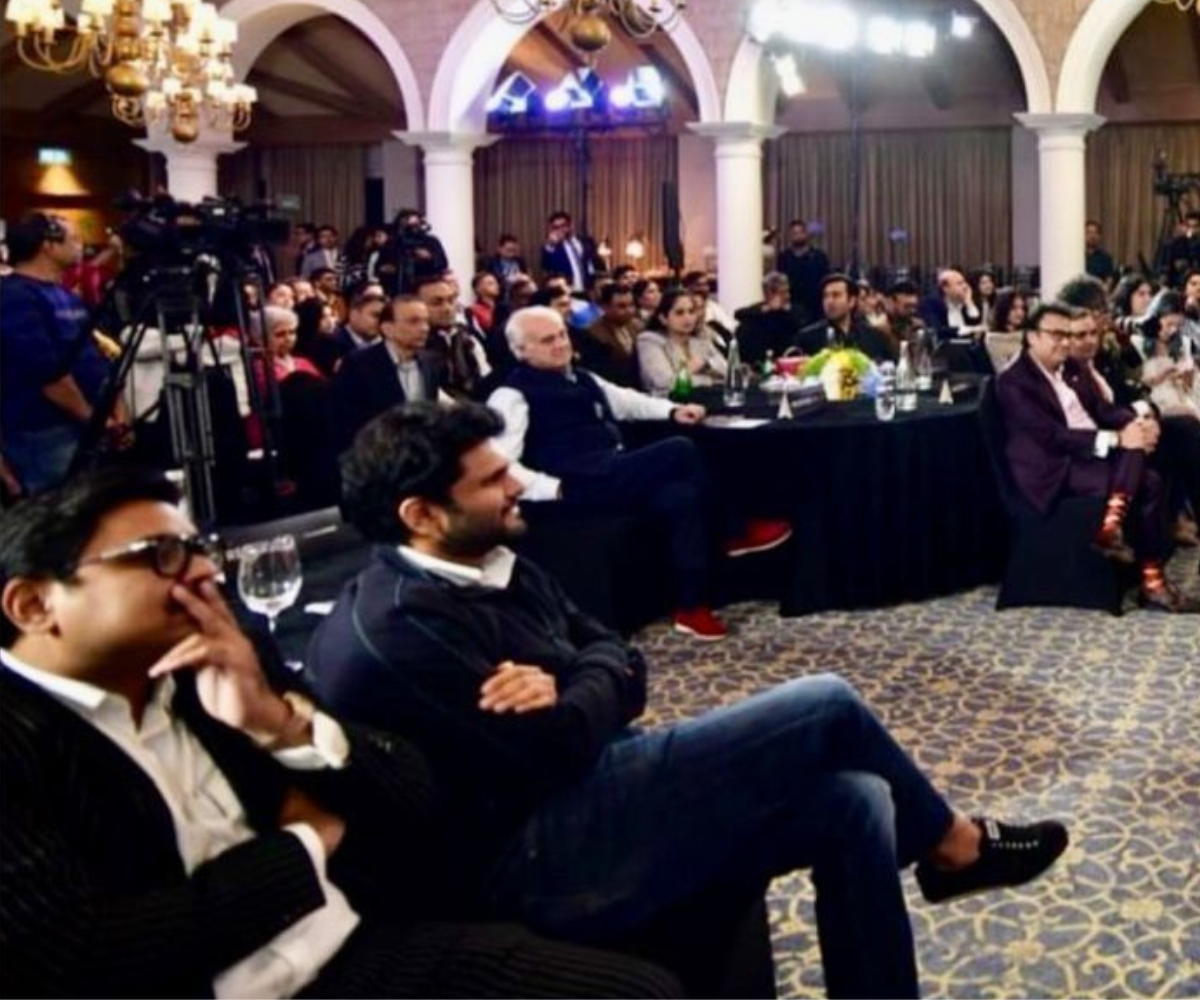
In an era where conversations shape narratives and ideas influence action, two remarkable back-to-back events curated by The Indian Express stood out as powerful platforms of engagement. Bringing together leaders from governance, media, and the creative arts, these gatherings reflected the evolving nature of public discourse—where policy meets storytelling, and leadership intersects with cultural expression.
These events were not merely ceremonial occasions; they were thoughtfully curated experiences that encouraged meaningful dialogue, intellectual exchange, and reflection on the role of ideas in shaping society.
A Lecture of Vision and Governance
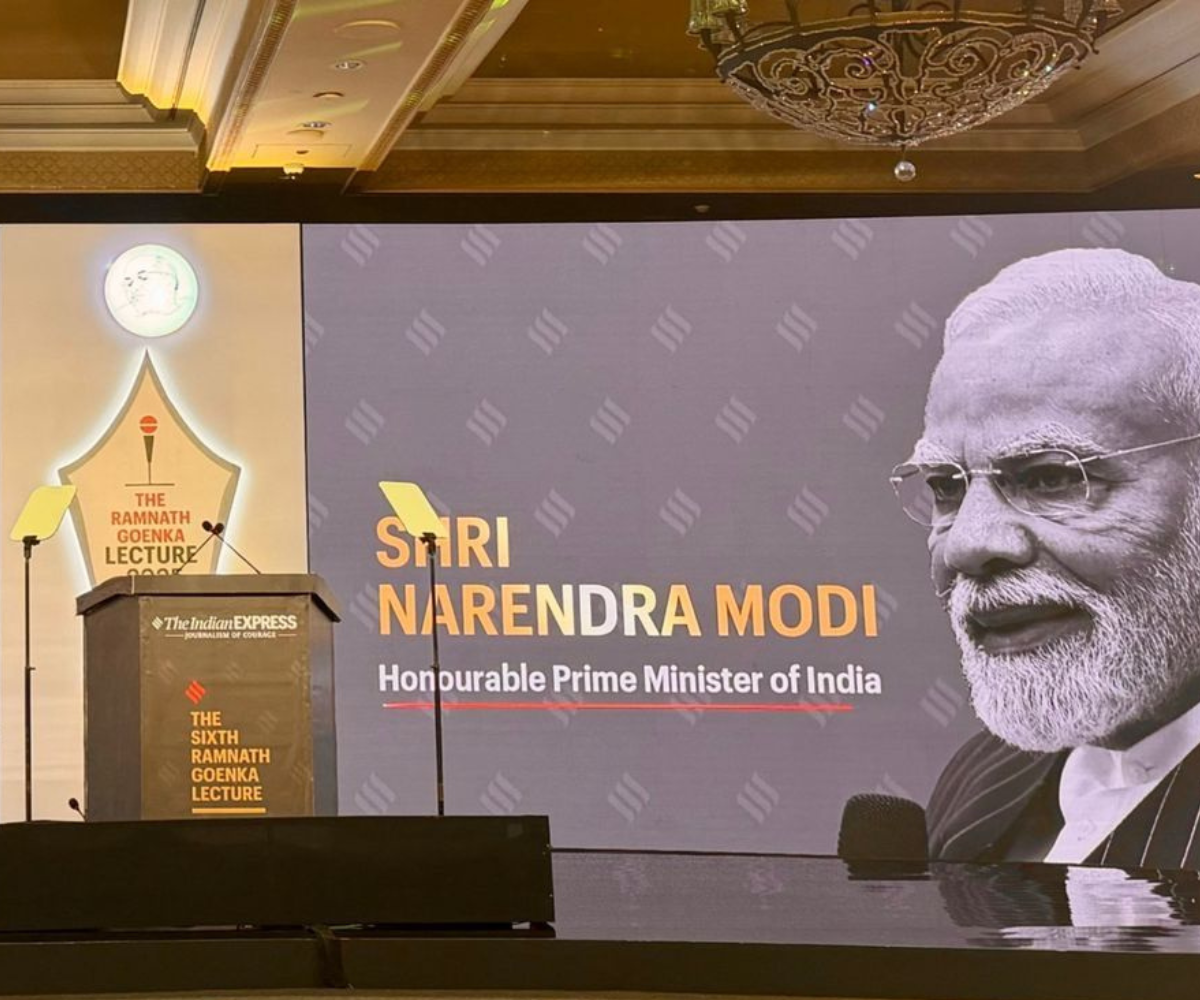
The first of these distinguished gatherings was the Sixth Ramnath Goenka Lecture—a platform known for hosting some of the most influential voices in public life. This year’s lecture was delivered by Narendra Modi, whose address offered a compelling perspective on governance, leadership, and India’s trajectory on the global stage.
The lecture served as more than a formal address; it was a masterclass in vision. Touching upon themes of development, policy innovation, and national progress, the Prime Minister articulated a roadmap that resonated with both policymakers and professionals across industries. His insights highlighted the importance of long-term thinking, institutional strength, and the role of governance in enabling sustainable growth.
What made the lecture particularly impactful was its emphasis on clarity and direction. In a complex and rapidly changing world, the need for decisive leadership and coherent policy frameworks has never been greater. The address reinforced the idea that governance is not merely about administration—it is about shaping the future through informed and strategic decision-making.
An Evening of Art, Craft, and Social Commentary
Following the policy-driven discourse of the lecture, the second event shifted focus to the world of storytelling—yet retained the same depth of engagement. The spotlight was on Delhi Crime, a globally acclaimed series that has redefined narrative storytelling in Indian entertainment.
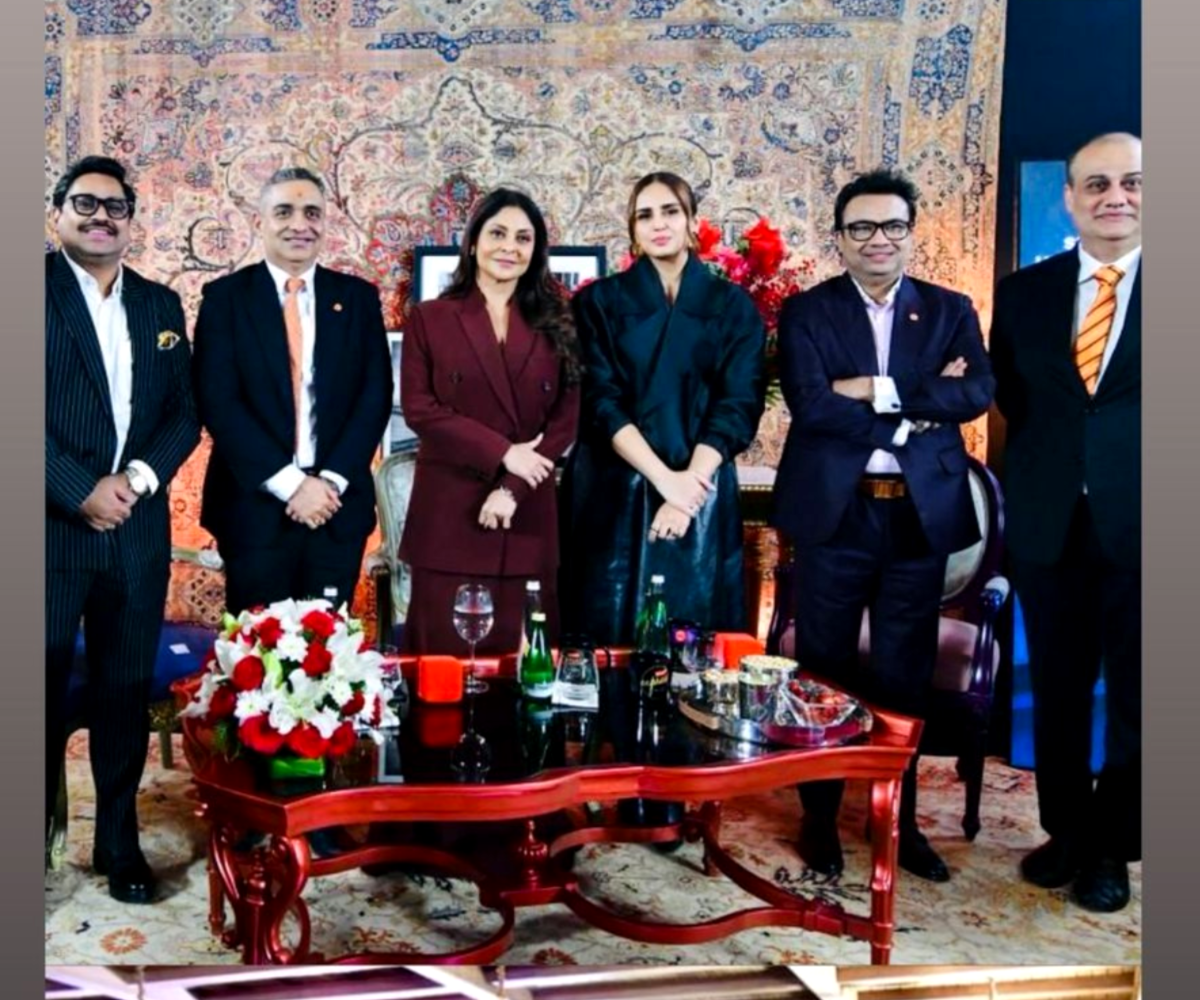
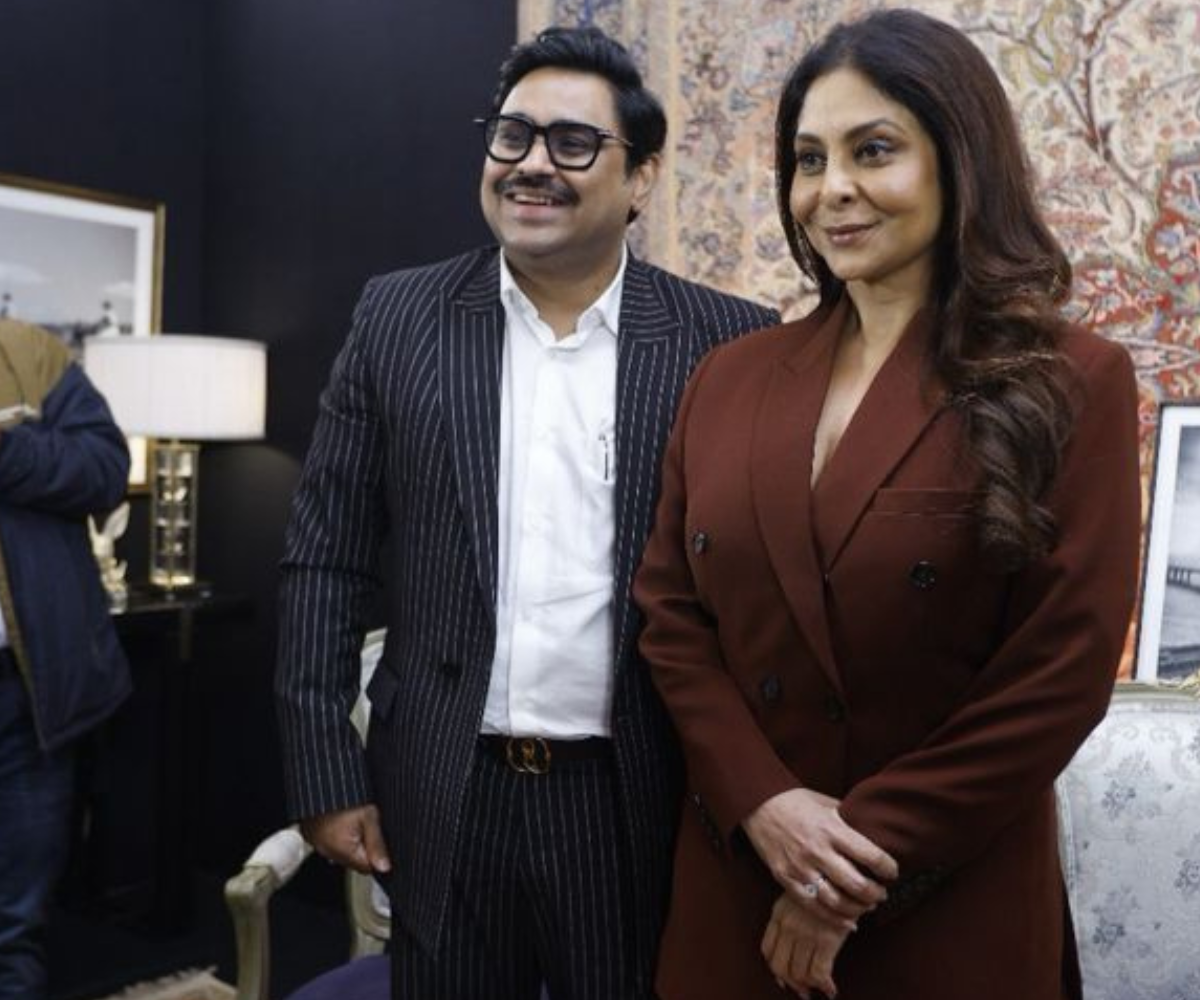
The interaction featured the lead cast and creators behind the series, including Shefali Shah and Richie Mehta, whose work has garnered international recognition. The conversation delved into the creative process, the challenges of portraying sensitive subjects, and the responsibility that comes with telling stories rooted in real-world events.
Delhi Crime has been widely acknowledged for its nuanced portrayal of complex social issues. The discussion explored how storytelling can serve as a mirror to society—highlighting uncomfortable truths while fostering empathy and understanding. The creators spoke about the balance between authenticity and sensitivity, and the importance of maintaining integrity in narrative construction.
What emerged from the evening was a deeper appreciation of storytelling as a powerful tool for social commentary. Beyond entertainment, such narratives have the potential to influence perceptions, spark conversations, and contribute to broader societal awareness.
The Convergence of Policy and Culture
While distinct in their themes, both events shared a common thread—the power of ideas. Whether articulated through policy frameworks or cinematic narratives, ideas remain central to shaping public discourse.
The Ramnath Goenka Lecture represented the structured articulation of national vision, while the Delhi Crime interaction reflected the interpretative exploration of societal realities. Together, they highlighted how governance and storytelling, though different in form, are interconnected in their impact.
This convergence underscores an important reality: today’s professionals must engage with multiple dimensions of thought. Understanding policy is as crucial as appreciating cultural narratives, as both influence the environments in which individuals and organisations operate.
A Gathering of Insightful Minds
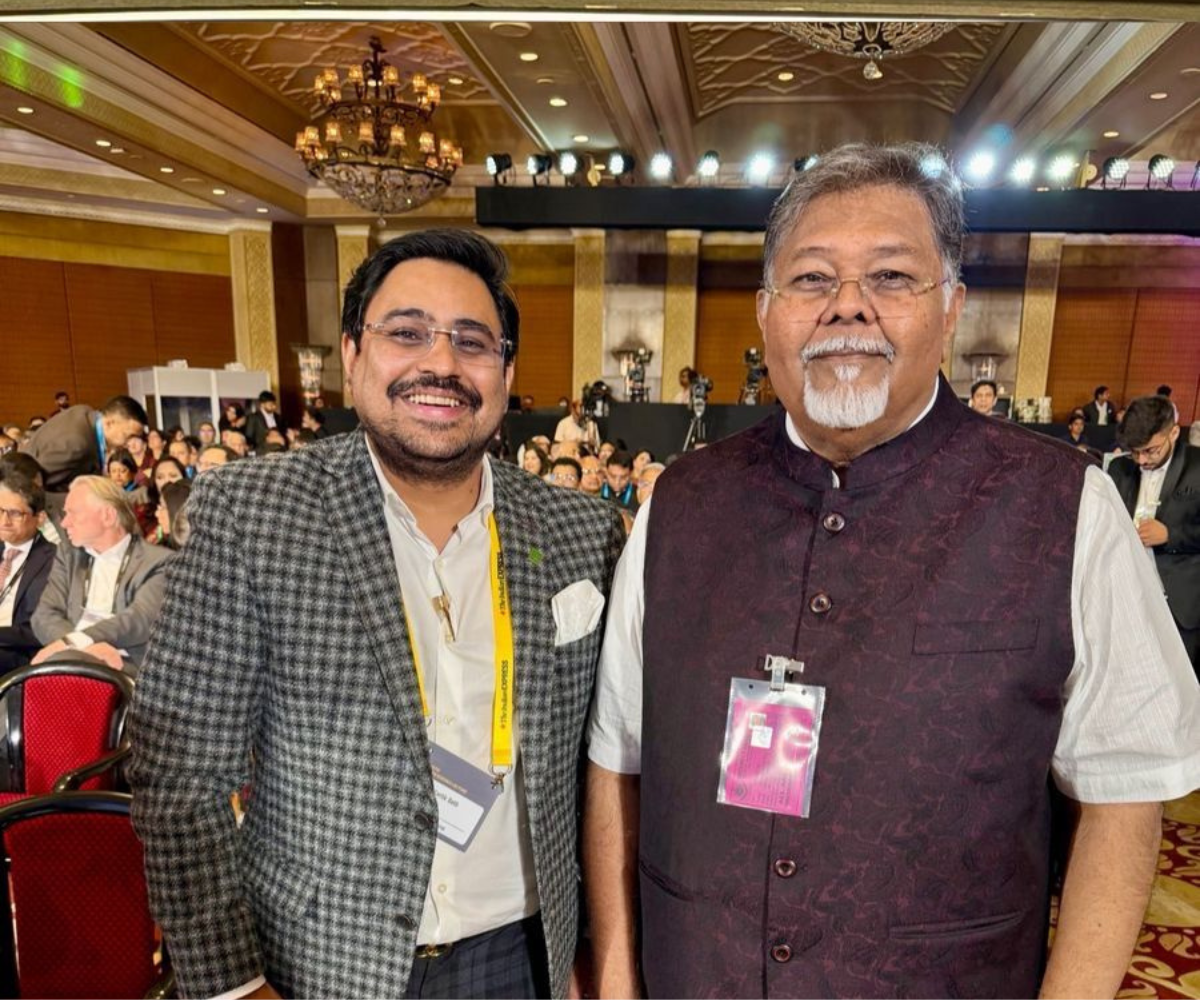
A defining feature of these events was the presence of a diverse and distinguished audience. Leaders from media, governance, law, and the creative industries came together, creating a vibrant ecosystem of ideas and perspectives.
Such gatherings are invaluable in fostering cross-disciplinary dialogue. They provide an opportunity to step beyond conventional boundaries and engage with viewpoints that challenge and enrich one’s own understanding. In a world that increasingly values collaboration, these interactions play a crucial role in building connections and encouraging collective thinking.
Being part of such an environment is not only a privilege but also a responsibility. It offers a chance to contribute to conversations that have the potential to shape thought and influence action.
The Responsibility of Professional Engagement
Participation in events of this nature goes beyond attendance—it reflects a commitment to engaging with the broader discourse that defines our times. As professionals, there is an inherent responsibility to remain informed, to think critically, and to contribute meaningfully.
Representing one’s firm in such settings carries both pride and purpose. It signifies an alignment with values that prioritise knowledge, dialogue, and continuous learning. It also reinforces the role of professionals as active participants in societal conversations, rather than passive observers.
These engagements serve as a reminder that expertise must be complemented by awareness. Informed professionals are better equipped to navigate complexity, make sound decisions, and contribute to the communities they serve.
Reaffirming the Power of Ideas
At the heart of both events was a shared belief in the power of ideas. Whether expressed through a policy address or a creative narrative, ideas have the ability to inspire, challenge, and transform.
The discussions reinforced that meaningful progress is driven not just by action, but by thoughtful reflection and informed dialogue. In an age of rapid information exchange, the ability to engage deeply with ideas becomes even more critical.
These experiences highlight the importance of creating and supporting platforms that encourage such engagement. They remind us that conversations—when conducted with intent and insight—can lead to outcomes that extend far beyond the immediate context.
Conclusion
The two events hosted by The Indian Express exemplified the richness of contemporary discourse. From the visionary insights of the Prime Minister at the Ramnath Goenka Lecture to the compelling storytelling behind Delhi Crime, each engagement offered unique perspectives while contributing to a larger narrative.
Together, they showcased the dynamic interplay between governance and culture, policy and storytelling, leadership and creativity. They also underscored the role of professionals in bridging these domains—bringing insight, perspective, and responsibility to the conversations that matter.
As the echoes of these discussions continue, they leave behind a lasting impression: that meaningful dialogue is not just an exchange of words, but a catalyst for understanding, innovation, and progress.